


StandStrong™ EMS POTS Recovery Pad
StandStrong™ EMS POTS Recovery Pad
When you have POTS, your body can't control blood flow properly.
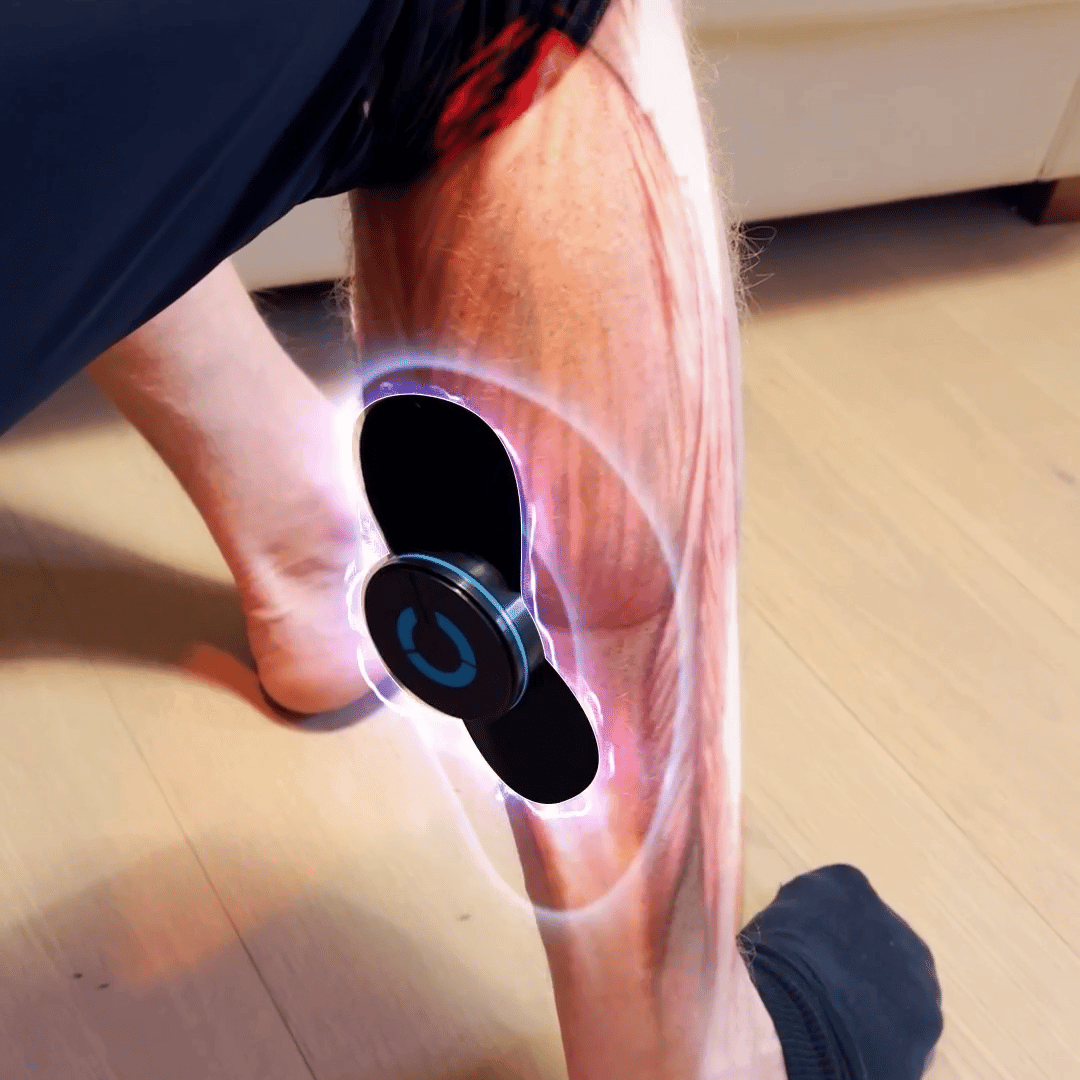
StandStrong activates your calf muscles, and they act as a "second heart" that pumps blood back up. This helps you stand strong without crashes.
✨ Stop being a burden, take care of them instead.
✨ Shower and dress without calling for help
✨ Trust your body enough to make plans
✨Feel like yourself again, not "the sick person"
Couldn't load pickup availability

-

"After 3 years of POTS, I'd tried everything. Liquid IV, salt pills, compression socks, medications that made my brain fog worse. Nothing seemed to help much. I was skeptical of standstrong, but the 60 day guarantee meant I had nothing to lose. By week 4, I noticed I could stand a bit longer without feeling awful. Week 8, I made it through a short grocery trip without needing to lie down for the rest of the day. It's not a cure, but it's the first thing that's made a real difference in managing my symptoms."

How does it work?
How does it work?
With POTS, your autonomic nervous system can't regulate blood flow properly. Blood pools in your legs when you stand, causing dizziness and rapid heart rate. StandStrong sends electrical signals to your calf muscles, your "second heart" forcing them to contract and pump blood back up to your brain, restoring circulation even when your nervous system can't.
What does StandStrong help with?
What does StandStrong help with?
Orthostatic intolerance (blood pooling in legs when standing), inability to stand for more than a few minutes without dizziness, heart rate spikes above 100 bpm when upright, needing to lie down multiple times per day, difficulty showering or doing basic tasks, and unpredictable POTS flare-ups that keep you homebound.
Shipping & Delivery
Shipping & Delivery
- Shipping Cost: 100% FREE on all orders.
- Processing Time: We process all orders within 1-2 business days.
- Delivery Time: Orders typically arrive in 5-9 business days.
Return & Refund Policy
Return & Refund Policy
We offer a 60-Day Money-Back Guarantee because we truly believe in our product. If you're not happy, you can return your ring within 60 days for a full refund—no questions asked.
Just reach out to us at support@rebalance.com and we’ll take care of you.


Why Blood Pools in Your Legs (And Why Salt Alone Can't Fix It)
You wake up and your heart is already racing at 110 bpm before you've even moved.
You try to stand and your blood pools in your legs. Vision goes spotty. Heart jumps to 145.
You've been drinking electrolytes. Taking salt pills. Wearing compression socks. But you still can't stand for more than a few minutes without feeling like you'll pass out.
This isn't weakness. Your autonomic nervous system stopped regulating blood flow properly. Blood pools down. Your brain doesn't get enough oxygen.
That's why you can't stand without dizziness. Why your heart rate spikes so high. Why you lie down multiple times daily just to function.
Salt and electrolytes help, but they can't retrain a broken system alone. You need to activate the circulation pathway your body forgot.
How To Use
-

Step 1
Charge the device. When fully charged, the turquoise light will turn off. Takes 2-3 hours for full charge, lasts multiple sessions.
-

Step 2
Attach the butterfly pad to clean, dry skin over target muscle and select your comfort level out of 6.
-

Step 3
Use for 15-20 minutes while resting (lying down, sitting, or elevated). Relax while the device activates your calf pump, helping blood return from your legs. Use once or twice daily for best results.


Why 30,000+ POTS Patients Trust StandStrong
-

"After 3 years of POTS, StandStrong gave me hope again. I can finally stand long enough to shower without calling for help."
-

"My doctor said 'just drink more water.' StandStrong helped me manage blood pooling better than anything else I've tried. My heart rate stays more stable now."
-

"Four weeks after starting StandStrong, short errands didn't wipe me out for two days anymore. I still use it daily and now I can grocery shop without crashing."


Science, Not Wishful Thinking


Your Quality of Life Can't Wait
Every day matters when you're struggling with POTS. While other solutions take months to access or cost thousands per year, StandStrong starts helping the moment you use it and it's a one-time purchase.
⚠️ Limited Inventory: Only 847 pads left in this batch. Due to our small-batch, hand-crafted process, when we're out, you'll wait 4-6 weeks for the next shipment.

Try StandStrong Risk-Free
We believe StandStrong will help you manage your POTS symptoms better than what you've tried before. That's why we're offering a 60-Day Guarantee. If you don't notice improved standing tolerance, more stable heart rate, or better daily function, we'll provide a full refund, no questions asked. You deserve a solution that actually helps.
Frequently Asked Questions
How does StandStrong actually work?
How does StandStrong actually work?
StandStrong uses neuromuscular electrical stimulation (NMES) to activate your calf muscles, your body's "second heart." When your calves contract, they pump blood back up from your legs toward your heart and brain. This helps reduce blood pooling and can improve orthostatic tolerance when your autonomic nervous system isn't regulating circulation properly.
Is it safe to use every day?
Is it safe to use every day?
Yes. StandStrong uses the same low-level electrical stimulation technology that physical therapists and dysautonomia specialists have used safely in clinics for years. There are no medications, no side effects, and no invasive procedures, just gentle muscle activation you control.
Can I use StandStrong alongside medications, compression, or other POTS treatments?
Can I use StandStrong alongside medications, compression, or other POTS treatments?
Absolutely. StandStrong is non-pharmaceutical and complements other POTS management approaches. Many users combine it with their existing regimen salt, electrolytes, compression socks, and medications, to help improve overall symptom control. Always consult your POTS specialist about adding new management tools.
What areas can I use it on?
What areas can I use it on?
StandStrong is designed primarily for use on your calves (the back of your lower legs between knee and ankle) where your "second heart" muscles are located. The device comes with adjustable straps that fit most calf sizes comfortably. Some users also find benefit using it on other areas, but calf placement is recommended for optimal blood return.
How soon will I notice a difference?
How soon will I notice a difference?
Results vary by person. Some users notice improved standing tolerance within the first 2-3 weeks of consistent use. More significant improvements in daily function, like reduced heart rate spikes, fewer crashes, better energy levels typically develop gradually over 4-8 weeks. POTS is unpredictable, so progress isn't always linear. Small improvements matter.
Who shouldn't use StandStrong?
Who shouldn't use StandStrong?
Don't use StandStrong if you have a pacemaker, implanted defibrillator, are pregnant, have epilepsy, or have uncontrolled heart arrhythmias. If you have any cardiac conditions beyond POTS, consult your cardiologist before use. When in doubt, ask your POTS specialist.